About Erasmus Courses Portugal
Erazmus Courses
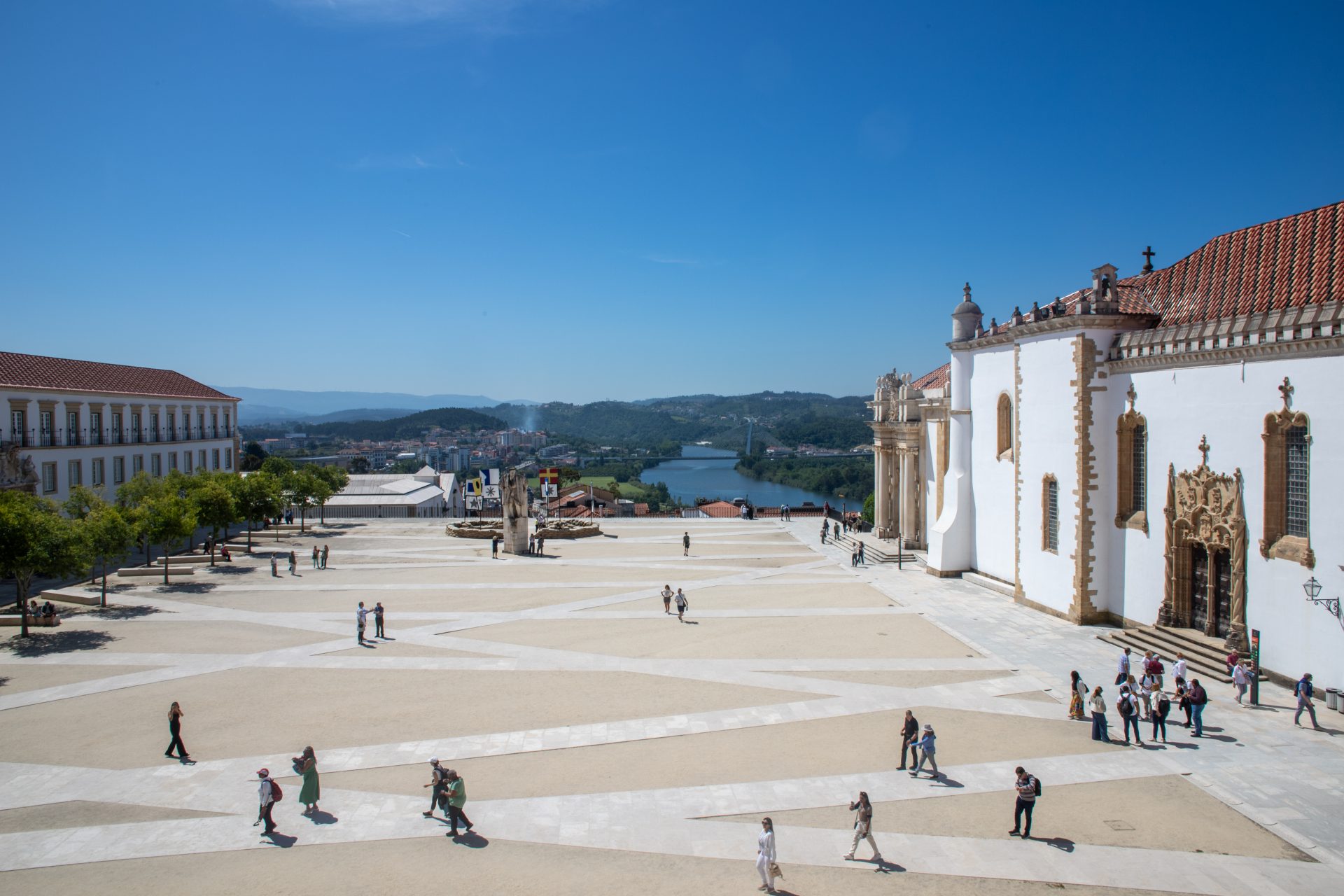
Methodologies prioritise active participation, experiential learning and reflection. Group sizes are managed to ensure meaningful interaction, while quality assurance procedures and systematic evaluation support continuous improvement. Participants engage in practical exercises designed to strengthen communication skills, leadership capacity, emotional regulation and collaborative competence — abilities directly transferable to educational and organisational settings.
Sustainability and social responsibility are also embedded in organisational practice. Courses encourage reflection on the social role of education and promote responsible engagement with local communities and environments. This perspective aligns with broader Erasmus+ priorities and supports participants in integrating sustainability and inclusion into their professional contexts.
Erasmus Courses Portugal offers structured learning experiences that combine academic rigour, practical applicability and supportive learning environments. As part of Erasmus+ — widely recognised as one of the most valuable and impactful initiatives of the European Union in the field of education, mobility and cooperation — the programmes enable participants to develop professionally while contributing to a stronger European learning community. Participants leave with updated methodologies, strengthened professional networks and concrete tools for everyday life and work. Through experienced staff, research-based design, diverse learning contexts and strong international partnerships, the organisation supports the development of resilient, competent and collaborative educational communities across Europe.
Erasmus+ Courses
Basic information about the programme
Erasmus+ is the European Union’s flagship programme supporting education, training and sport through international mobility and cooperation. It enables teachers, youth workers, students and organisations to learn, train and collaborate across borders. Originally focused on student exchanges, the programme has evolved into a broader framework (hence: Erasmus+) supporting professional development, institutional cooperation and innovation in education. It is widely recognised as one of the European Union’s most successful programmes in education, training, youth and sport. Since 1987 over 16 million people have taken part in Erasmus+ training opportunities, making it one of the largest international education programmes globally[1].
Participation usually happens through organisations rather than individuals. Schools, universities, NGOs and training centres apply for funding and organise mobility activities for their staff or learners, ensuring quality control and long-term institutional impact.
The main reference document governing participation is the Erasmus+ Programme Guide.
Erasmus started in 1987 with 3,200 students from 11 countries. Since then, it has expanded continuously, integrating multiple education and youth programmes into today’s Erasmus+ framework. More than 15 million people have participated since its creation, making it one of the largest international education programmes globally.
Research and programme evaluations show strong positive effects on professional competences, employability, institutional internationalisation and intercultural understanding. The Erasmus Impact Study highlighted improvements in transversal skills such as adaptability, problem-solving and collaboration.
The current Erasmus+ programme (2021–2027) focuses on four priorities: inclusion, digital transformation, environmental sustainability and democratic participation. Activities are structured mainly under learning mobility (Key Action 1), cooperation partnerships (Key Action 2) and policy support (Key Action 3).
Main reference documents:
Erasmus+ training includes structured courses, workshops, job-shadowing and thematic professional development activities. Courses are designed mainly for teachers, trainers and youth workers and focus on practical skills, innovation, intercultural learning and transferable methodologies. Training may take place in urban or rural environments depending on learning objectives, with strong emphasis on experiential learning and peer exchange.
Applications are submitted by organisations through National Agencies or EU channels. Projects define objectives, participant profiles and expected outcomes. Once approved, organisations select participants internally. Individuals therefore usually join Erasmus+ mobilities through their institution rather than applying independently. Detailed procedures and eligibility rules are defined in the Programme Guide.
Erasmus+ grants are awarded to organisations, which cover participant costs according to programme rules. Funding generally includes travel, accommodation, course fees and organisational support. Depending on project arrangements, expenses are either prepaid or reimbursed after participation. The funding model aims to ensure accessibility while maintaining accountability in the use of EU resources.
In a period marked by rapid technological change, social fragmentation and increasing pressure on educational systems, Erasmus+ functions as more than a mobility scheme. It provides a structured European response to shared challenges by enabling professionals to test new methods, compare systems and build practical cooperation across borders. The programme creates environments where innovation is not theoretical but implemented through direct experience, peer exchange and institutional collaboration.
For teachers, youth workers and organisations, Erasmus+ presents an opportunity to step outside routine professional contexts and re-enter them with renewed perspective, stronger competences and international partnerships. Its long-term value lies not only in individual mobility but in the cumulative effect on educational quality, resilience and European cohesion. In this sense, Erasmus+ operates as a strategic investment in human capital and in the future capacity of European education and youth sectors to adapt, cooperate and lead.